Key Takeaways
- Insufficient lifeguard oversight leads to significant accountability concerns in pool incidents.
- Legal responsibilities associated with pool mishaps in Florida are critical for understanding liability.
- Lack of adequate monitoring significantly contributes to the frequency and severity of pool-related accidents.
- Strategies for enhancing lifeguard vigilance are essential for preventing accidents in aquatic environments.
- Victims of pool accidents in Florida have options for pursuing justice and compensation through legal avenues.
Inadequate Lifeguard Supervision And Liability In Florida Pool Accidents | Understanding Inadequate Lifeguard Supervision
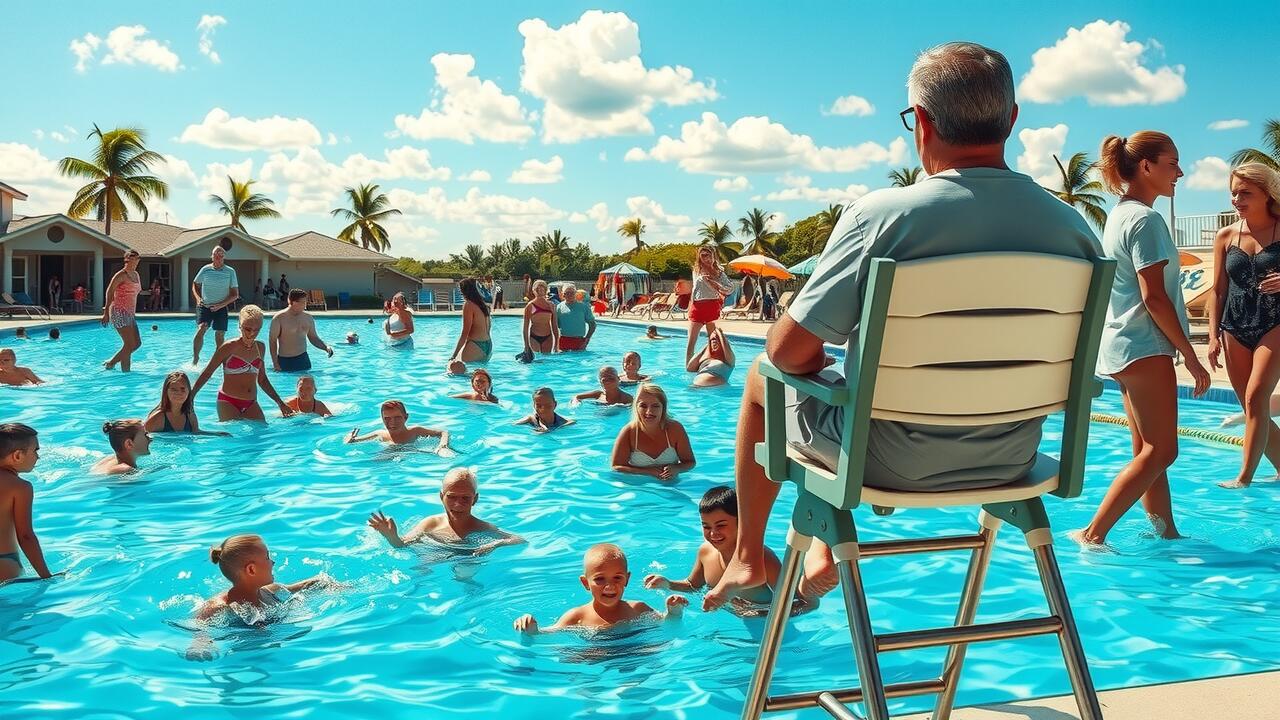
Understanding inadequate lifeguard supervision is crucial in assessing liability in Florida pool accidents. Lifeguards are tasked with the vital responsibility of ensuring safety at public swimming pools, yet instances of negligent supervision can lead to dire consequences, including drowning incidents and diving accidents. The absence of proper safety inspections may reveal hazards that remain unaddressed, exacerbating risks in these recreational environments. Florida's safety regulations mandate that lifeguards be adequately trained to recognize and respond to potential dangers effectively. Failure to adhere to these standards not only puts swimmers at risk but also raises questions of negligence regarding the pool operators’ responsibilities. A comprehensive understanding of these factors is essential in evaluating the implications of inadequate lifeguard supervision and liability in Florida pool accidents.
Inadequate Lifeguard Supervision and Liability in Florida Pool Accidents | Definition and Importance in Pool Safety
Inadequate lifeguard supervision significantly impacts the safety of swimming pools and water parks in Florida. A proper safety barrier around the pool area is crucial for minimizing accidents and ensuring that lifeguards can effectively monitor swimmers. Without adequate oversight, the risk of drowning and other injuries increases, placing liability on both lifeguards and pool operators. Understanding liability is essential, especially given the regulations enforced by the Florida Department of Health, which mandates that swimming pools maintain specific safety equipment and practices to protect patrons.
The concept of premises liability plays a vital role in determining legal liability in cases of accidents at swimming pools. Lifeguards are responsible for ensuring safety in their designated areas, and any negligence could result in significant consequences. Victims of pool accidents may seek help from personal injury attorneys to navigate complex personal injury law, especially when inadequate lifeguard supervision is proven. Establishing liability in such cases often involves a careful examination of the circumstances and adherence to safety regulations set forth by authorities in Florida.
Common Indicators of Poor Lifeguard Oversight
One clear indicator of inadequate lifeguard supervision involves the lack of consistent inspections of the pool area. Well-maintained facilities are essential to ensuring a safe environment for swimmers. Failure to regularly check for hazards can increase the risks of accidents, leading to potential liability lawsuits. A personal injury attorney may highlight this negligence when pursuing personal injury claims, especially in cases involving kiddie pools where children are at higher risk. Such lapses in duty of care can significantly impact the outcomes of personal injury claims related to pool accidents in the state of Florida.
Another sign of poor oversight is the lack of proactive supervision by lifeguards, characterized by inattentiveness or non-engagement with swimmers. If lifeguards are not vigilant, it may lead to dangerous situations that increase the chances of accidents occurring. This neglect can serve as a basis for a personal injury lawsuit when an incident arises. Comparative negligence may also come into play, especially if multiple parties share responsibility for the accident. A personal injury lawyer can assess the circumstances surrounding the incident and help establish liability in these complex scenarios, emphasizing the importance of adequate lifeguard supervision in Florida pool accidents.
- Lack of regular staff training sessions or refreshers for lifeguards
- Inadequate emergency response protocols or lack of drills
- Observing lifeguards engaged in distractions, such as using personal devices
- Insufficient lifeguard-to-swimmer ratios, especially during peak hours
- Poor communication between lifeguards and staff, leading to missed safety concerns
- Lack of clear visibility in the pool area due to obstructions or poor lighting
- Absence of signage indicating pool rules and safety guidelines
Liability Issues Related to Florida Pool Accidents
Inadequate Lifeguard Supervision and Liability in Florida Pool Accidents highlights the critical intersection of lifeguard responsibilities and the safety of swimmers. The presence of contaminated water elevates the risks associated with swimming, leading to potential drowning incidents that fall under pool accident liability. Lifeguard negligence can leave them open to liability claims, especially if they fail to provide necessary emergency care or if their oversight results in a misdemeanor related to public safety. Courts often scrutinize lifeguard accountability, comparing these cases to car accidents where negligence plays a pivotal role in determining fault. Understanding the implications of inadequate lifeguard supervision is crucial for both pool operators and patrons alike, as it can significantly shape the legal landscape surrounding pool safety incidents.
Legal Responsibilities of Lifeguards and Pool Operators
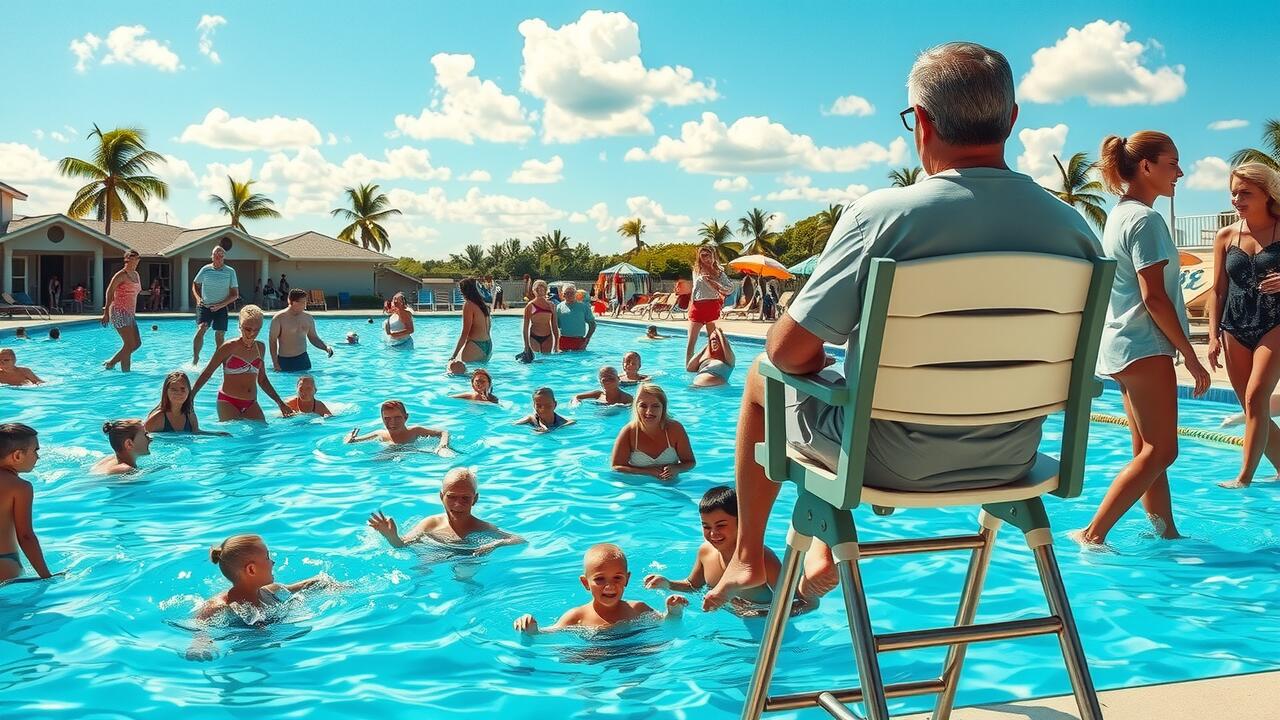
Lifeguards hold critical responsibilities in maintaining pool safety and preventing accidents. The expectation for a reasonably competent lifeguard includes being attentive and proactive in monitoring swimmers. Inadequate Lifeguard Supervision and Liability in Florida Pool Accidents often arise when unqualified lifeguards fail to perform their duties effectively. Conditions such as improper use of pool safety equipment or inadequate training can lead to tragic outcomes. Pool liability cases frequently hinge on whether lifeguards acted with the necessary vigilance, an essential element to ensure the safety of patrons in public and private swimming environments.
Pool operators also share legal responsibilities regarding the overall safety of the swimming facility. They must ensure that trained lifeguards are present during operating hours and that these professionals possess the skills to manage emergencies and prevent pool accidents. Compliance with industry standards and regulations is key to avoiding liability in incidents involving inadequate supervision. A commitment to hiring qualified lifeguards and providing ongoing training directly influences the outcome of Florida pool injury claims. Effective lifeguard security measures can significantly reduce the risks associated with swimming pool accidents.
Determining Fault in Pool Incident Cases
Determining fault in pool incident cases often revolves around the concept of inadequate lifeguard supervision and liability in Florida pool accidents. Factors such as poor pool maintenance can play a significant role in incidents involving pool-related accidents. Investigating the conditions leading to these events is crucial. For instance, if a pool maintenance company failed to address safety concerns or if lifeguard training records reveal inadequate preparation, liability may shift. The failure to uphold safety standards can leave pool accident victims vulnerable to severe outcomes.
Legal assessments rely heavily on the evidence surrounding a case. Pool accident attorneys examine the circumstances, looking for public pool violations and lapses in supervision. Evaluating the responses and actions taken by lifeguards during an incident is essential. Instances of inadequate supervision will directly influence the outcome of pool accident claims. Pool accident cases hinge on establishing whether the pool operators and lifeguards acted responsibly, ensuring that victims receive the compensation they deserve.
Impact of Inadequate Supervision on Florida Pool Accidents
Inadequate lifeguard supervision significantly heightens the risk of dangerous situations in Florida swimming pools, leading to a range of pool-related incidents. Statistics reveal that improper oversight is often a crucial factor in many swimming pool accidents, resulting in severe pool injuries. Victims of these accidents may face difficult legal battles, and pool accident lawyers can help navigate the complexities of liability, especially when faulty pool equipment or inadequate safety warnings come into play. Private pool owners bear the responsibility of ensuring lifeguard steps are properly implemented to prevent water accidents. Pool injury claims may hinge on proving inadequate lifeguard supervision and the liability associated with it, emphasizing the need for qualified lifeguards who are well-trained to address potential emergencies. Without proper supervision, the consequences can be dire, and engaging a pool injuries lawyer may be essential for those affected by defective pool equipment or negligence in safety practices.
Statistics on Pool Drownings in Florida
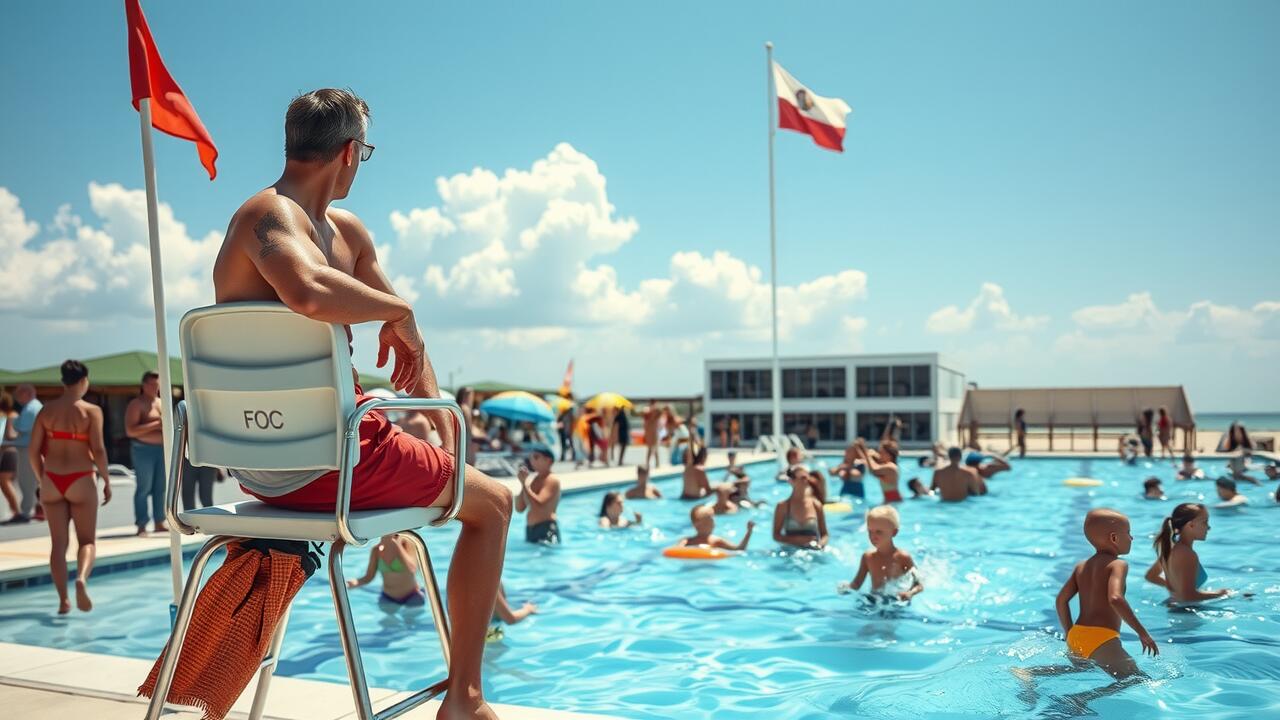
Florida has consistently reported alarming statistics related to pool drownings, highlighting a significant concern for public safety. The relationship between inadequate lifeguard supervision and liability in Florida pool accidents becomes evident as many incidents stem from insufficient oversight. Water-related accidents often occur due to improper adherence to required safety measures. Public pool owners and private pool owners alike must maintain accurate pool maintenance records to ensure that their facilities meet safety requirements and protect against potential pool injuries.
The prevalence of swimming pool injuries reflects a troubling trend linked to inadequate training or supervision of pool staff. Many cases reveal a direct correlation between ineffective lifeguard duties and the incidence of water accident claims. Understanding these statistics emphasizes the urgent need for pool owners to prioritize adequate safety and compliance with legal responsibilities. Addressing issues related to pool injury can significantly mitigate risks for patrons and contribute to safer swimming environments in Florida.
Case Studies of Incidents Involving Lack of Lifeguard Supervision
Case studies emphasize the critical relationship between inadequate lifeguard supervision and liability in Florida pool accidents. One prominent incident involved a child drowning in a public swimming pool due to a lack of vigilant supervision. The pool owners had failed to implement essential safety measures such as enforcing pool rules and conducting regular staff training. The incident highlighted not only the liability of the lifeguards but also the responsibility of the operators to maintain safe conditions in public swimming pool areas. Negligence in supervision combined with inadequate maintenance can lead to tragic water accident cases, underscoring the importance of accountability in both public and private swimming pools.
Another notable case involved a private pool where faulty pool drains contributed to a serious injury. Investigations revealed that lifeguards were not adequately trained to respond to emergencies, illustrating a lack of proper supervision. This scenario raised questions regarding the liability of private pool owners for failing to ensure that safety protocols were observed. The incident prompted legal scrutiny concerning Florida product liability laws related to pool safety equipment. It serves as a reminder that both public and private swimming pools must prioritize adequate lifeguard supervision to prevent potential accidents and ensure a safe environment for all swimmers.
Preventative Measures for Ensuring Adequate Lifeguard Surveillance
Preventative measures are crucial in addressing the risks associated with inadequate lifeguard supervision and liability in Florida pool accidents. Residential pool owners must prioritize specific safety regulations, which include training lifeguards in proper monitoring techniques and ensuring they are certified through recognized programs. Implementing certain safety measures such as installing pool alarms, utilizing safety covers, and maintaining pool equipment in optimal condition can significantly reduce the chances of a water accident. Regular reporting hazards to management enhances accountability and addresses any lack of supervision. Addressing issues such as contaminated pool water is essential to prevent incidents like pool drownings. Understanding liability laws can help pool operators navigate their responsibilities and avoid the repercussions of inadequate lifeguard supervision and liability in Florida pool accidents.
- Ensure all lifeguards maintain up-to-date certification and training in CPR and first aid.
- Conduct regular safety drills to keep lifeguards prepared for emergencies.
- Establish a clear communication system among lifeguards to enhance coordination.
- Implement strict policies for monitoring guest behavior and enforcing pool rules.
- Schedule routine maintenance checks for safety equipment, such as life rings and rescue tubes.
- Install effective signage that highlights pool rules and safety protocols for all users.
- Promote awareness among guests about the importance of swim safety and emergency procedures.
Training and Certification Requirements for Lifeguards
Lifeguards play a crucial role in ensuring safety at common swimming pools across Florida. Adequate supervision is vital to protect swimmers from potential hazards, including malfunctioning pool equipment. The Florida Department of Health outlines specific training and certification requirements for lifeguards to ensure they are equipped to handle emergencies effectively. These requirements emphasize the importance of maintaining relevant safety records and pool maintenance logs, which help facility operators meet liability law standards.
Proper training involves understanding both rescue techniques and first aid, enabling lifeguards to respond swiftly to incidents. Pool operators must also enforce reasonable precautions and ensure lifeguards stay current with their certifications. This proactive approach can significantly mitigate risks associated with Inadequate Lifeguard Supervision and Liability in Florida Pool Accidents, creating a safer environment in resort pools and other swimming facilities.
Best Practices for Pool Management
Effective management of both public and private pools is essential to mitigate risks associated with inadequate lifeguard supervision and liability in Florida pool accidents. Public pool operators should regularly inspect pool areas for known hazards, such as defective diving boards and unsafe pool structures. Implementing robust safety features, including emergency safety equipment like life rings and first aid kits, is crucial. Maintaining proper pool water quality ensures the health of patrons and prevents personal injury accidents related to unsafe swimming conditions.
Training is a vital component of pool management. Experienced swimming pool professionals should oversee lifeguard operations to ensure that all staff are skilled in emergency response and safety procedures. Regular training sessions help lifeguards stay sharp and aware of potential dangers. Pool operators must also establish clear protocols for identifying and responding to incidents, ensuring that the necessary safety equipment is always accessible. Such diligence prevents negligence and ultimately protects both swimmers and pool operators from potential legal consequences in the event of an accident.
Legal Recourse for Victims of Florida Pool Accidents
Victims of unfortunate accidents related to inadequate lifeguard supervision in Florida pool accidents often face complex emotional and legal challenges. Accidents that occur in residential swimming pools or public pools can raise issues of premises liability, where the responsibility for safety falls on pool operators and property owners. These parties must comply with premises liability laws that dictate safety equipment requirements and adequate supervision to prevent potential accidents. If serious accidents occur due to negligence in these areas, liability may arise, opening the door for victims to seek legal recourse. Pool users injured at water parks or private residences have the right to pursue compensation, emphasizing the critical importance of understanding inadequate lifeguard supervision and liability in Florida pool accidents.
Steps to Take Following a Pool Incident
Experiencing an incident in or around a swimming pool can be traumatic, especially in cases involving inadequate lifeguard supervision. Victims or witnesses should gather evidence immediately, documenting conditions that contributed to the incident. This includes noting any safety inspection records or the lack thereof, which may reveal poor maintenance or inadequate drainage issues. Highlighting the unsafe environment of municipal pools or hotel pools can help establish a pattern of negligence. Understanding the role of proper supervision in preventing accidents is essential, as inadequate lifeguard supervision and liability in Florida pool accidents often hinge on the identification of foreseeable hazards.
Seeking legal counsel should be a priority after a pool incident. An experienced attorney can help navigate the complexities of premises liability cases, focusing on actual negligence and the responsibilities of pool operators. Determining whether the pool was unsupervised at the time of the accident can be pivotal in building a case. Evaluating how potential hazards were managed, or overlooked, is crucial for establishing personal responsibility in such incidents. Inadequate lifeguard supervision and liability in Florida pool accidents requires a thorough understanding of local laws and safety regulations to properly address these serious issues.
Conclusion
Inadequate lifeguard supervision and liability in Florida pool accidents can have severe consequences for both victims and pool operators. Victims of such incidents often seek legal recourse based on florida laws that require strict safety requirements and accountability for lifeguards and pool management. Understanding the nuances of these liability issues is crucial for those looking to get compensation for injuries sustained due to related accidents. Establishing the correlation between inadequate supervision and the resulting harm is vital for successful legal action, highlighting the importance of proper oversight in preventing tragedies in Florida's pools.
FAQS
What constitutes inadequate lifeguard supervision at a pool?
Inadequate lifeguard supervision refers to situations where lifeguards fail to effectively monitor pool activity, respond promptly to emergencies, or maintain the required level of vigilance, leading to increased risks of accidents and drownings.
What are common signs of poor lifeguard oversight?
Common indicators of poor lifeguard oversight include lifeguards being distracted by personal devices, lack of consistent scanning of the pool area, inadequate communication with patrons, and failure to enforce safety rules.
Who can be held liable in a Florida pool accident due to inadequate supervision?
Liability in Florida pool accidents can fall on various parties, including the lifeguards, pool operators, management companies, and property owners, depending on the circumstances leading to the incident.
What legal responsibilities do lifeguards have?
Lifeguards have the legal responsibilities to monitor the safety of pool patrons, enforce pool rules, respond to emergencies, provide first aid when necessary, and ensure the overall safety of the aquatic environment.
What steps should victims take after experiencing a pool incident?
Victims of pool incidents should seek immediate medical attention, document the incident details, gather witness information, report the incident to pool management, and consider consulting with an attorney to explore potential legal recourse.
What are the legal liabilities associated with lifeguarding at Florida pools, especially regarding safety and supervision in public pool areas?
In Florida, lifeguards can be held liable for pool accident injuries if they fail to provide necessary supervision or are considered negligent. An attentive lifeguard is crucial in preventing severe pool accidents, and liabilities can arise from inadequate supervision of unsupervised pools. Public pool areas must have qualified swimming pool staff to ensure safe water and minimize the risks of swimming pool injury, as outlined in safety acts. If such negligence occurs, victims may seek compensation from pool maintenance companies or other responsible parties involved in maintaining a safe environment.
How can lifeguards be held accountable for their actions in Florida pool incidents, and what compensation can victims expect in pool cases?
Lifeguards can be held accountable for their actions or inactions if they fail to meet the necessary standards of supervision or safety in a skilled swimming pool. When lifeguard liability arises due to inadequate supervision, victims of pool accidents in Florida may be eligible to get compensation for their injuries. It’s essential to evaluate the specific circumstances of each case to determine the extent of lifeguard accountability and potential compensation.
What steps can be taken to ensure effective lifeguarding in Florida pools to prevent accidents and ensure that lifeguards are accountable for their actions in pool cases?
To ensure effective lifeguarding at Florida pools, it is essential to implement rigorous training programs and regular evaluations, which help make lifeguards accountable for their actions. By taking these necessary steps, pools can significantly reduce the risk of accidents. In cases where incidents occur, victims of inadequate supervision can seek to get compensation for their injuries under Florida law by demonstrating how the lifeguard’s negligence contributed to the pool incident.
What measures can be implemented to make sure that a lifeguard is accountable for their actions in Florida pool cases, and how can victims of pool accidents in Florida get compensation?
To ensure that a lifeguard is accountable in Florida pool cases, it is essential to have clear protocols, training, and supervisory oversight in place. These necessary steps can help prevent negligence and improve safety standards. Victims of pool accidents in Florida can seek compensation through legal avenues, especially when lifeguards fail to fulfill their duties adequately.
How can inadequate lifeguard supervision impact the accountability of lifeguards at Florida pools, and what actions can victims take to ensure they receive necessary compensation?
Inadequate lifeguard supervision can severely impact a lifeguard's accountability, leading to unsafe conditions at Florida pools. Victims of incidents caused by insufficient monitoring may seek to hold the lifeguard accountable by proving negligence. To pursue necessary compensation, victims in Florida can file a claim that outlines the lifeguard's failure to maintain the safety standards expected in public swimming areas, ensuring they understand their rights to seek compensation.
What actions can victims of pool accidents in Florida take to secure necessary compensation for their injuries and losses?
Victims of pool accidents in Florida can take several actions to secure necessary compensation. First, they should seek medical attention for any injuries sustained. Next, it's advisable to document the incident with photographs and witness statements, which can support their claim. Consulting with a lawyer experienced in Florida pool liability cases will help them understand their rights and navigate the legal process effectively. Additionally, victims can file a claim against the pool's owner or operator to seek Florida get compensation for their medical expenses, lost wages, and pain and suffering.
What are the necessary steps for victims of pool accidents in Florida to take in order to ensure they receive adequate compensation for their injuries?
Victims of pool accidents in Florida should first seek medical attention for their injuries and document everything related to the incident. They should collect evidence, such as photographs, witness statements, and any relevant reports. It’s also essential to consult with a qualified attorney who specializes in personal injury law, particularly in swimming pool cases, to understand their rights and pursue necessary compensation for their losses.
How can victims of accidents at Florida pools ensure they receive the necessary compensation for their injuries?
Victims of accidents at Florida pools can take several steps to secure the necessary compensation for their injuries. First, they should document the incident, gather any witness statements, and take photographs of the scene. It’s also essential to seek medical attention to have a record of injuries sustained. Consulting with an attorney who specializes in Florida pool accidents can help victims navigate the legal process and understand their rights to pursue a claim for compensation.
What are the necessary regulations that govern lifeguard supervision standards in Florida pool settings?
The necessary regulations for lifeguard supervision in Florida pool settings include adherence to state safety guidelines, training certifications, and routine competency evaluations. These standards ensure that lifeguards are prepared to respond effectively to emergencies, which is crucial for maintaining safety in Florida pools.
What should one do if they believe they have a case involving inadequate lifeguard supervision at a Florida pool that results in necessary injuries?
If you believe you have a case involving inadequate lifeguard supervision at a Florida pool, it is important to gather evidence and document the incident. Consulting with a legal professional who specializes in Florida pool accident claims can help you understand your rights and the necessary steps to pursue compensation for your injuries. Your attorney can assist in navigating the legal process to secure the necessary compensation for the injuries and losses incurred due to the incident at the Florida pool.